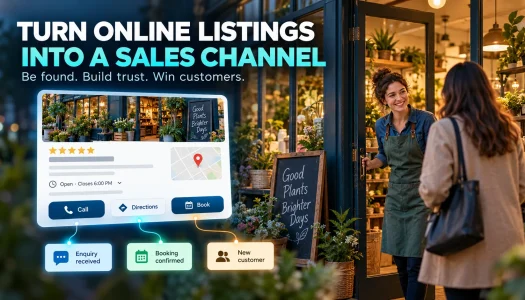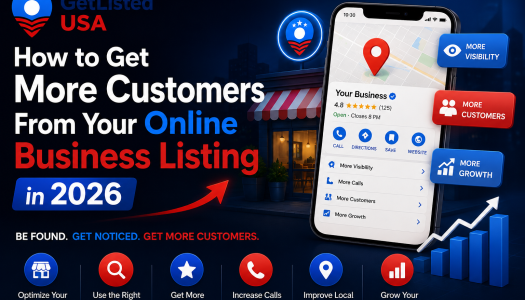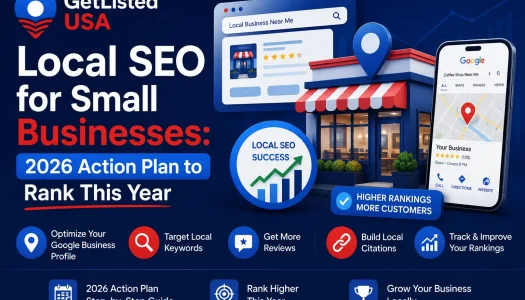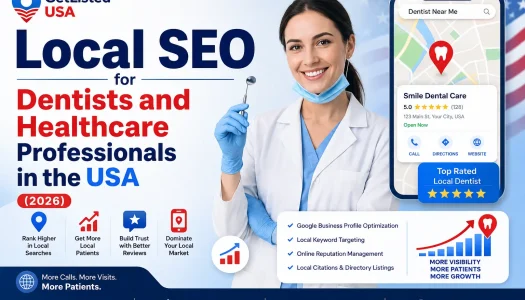

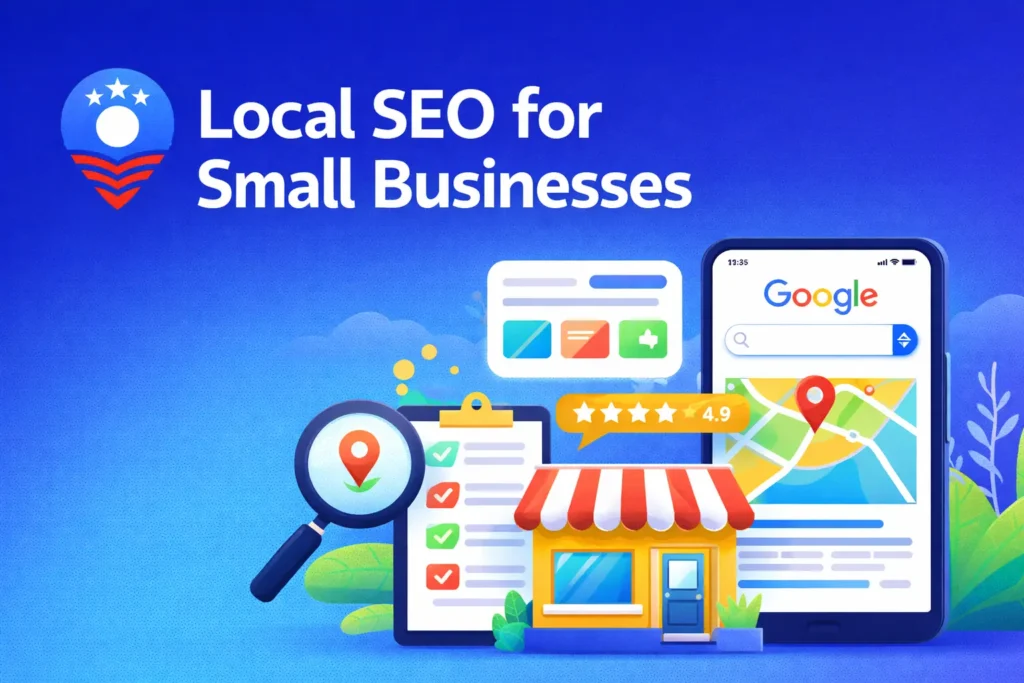
In today’s competitive digital landscape, small businesses can no longer rely solely on traditional marketing. When potential customers search for products or services nearby, appearing prominently in Google’s local search results can make a decisive difference.
Local SEO for small businesses is the process of optimizing a company’s online presence to appear in location-based search results. It involves creating consistent business listings, managing reviews, optimizing website content, and leveraging local citation networks. Proper local SEO helps businesses attract nearby customers, rank on Google Maps, and improve overall online visibility.
For marketing professionals, startups, and small business owners, mastering local SEO is essential not just for online rankings but for driving measurable business growth. In this comprehensive guide, we will explore strategies, tools, actionable tips, and real-world examples to help your business stand out locally.
What Are Local Citations in SEO?
Local citations are mentions of a business’s name, address, and phone number (NAP) on other websites or directories. Search engines use these citations to validate a business’s legitimacy and location. Consistent citations across multiple platforms can strengthen rankings in local search results.
Understanding Local Citations
Citations can appear in:
-
Online directories
-
Social profiles
-
Local blogs or news websites
-
Maps and review platforms
For marketing professionals, maintaining consistent NAP information across all platforms is critical. Even small discrepancies—like “St.” versus “Street”—can weaken SEO signals.
How Citations Impact Rankings
Citations act as trust signals for search engines. The more authoritative directories and platforms your business appears on, the more credible it looks to Google. This is especially important for Google Maps rankings, where local relevance and trust directly influence visibility.
Case Study Example:
A small marketing agency in Chicago optimized their citations across 20 local directories. Within three months, their Google Maps visibility increased by 40%, leading to a measurable uptick in inbound inquiries.
How to Rank Your Business on Google Maps
Ranking on Google Maps requires a combination of optimized Google Business Profile, accurate citations, customer reviews, and location-specific content. Businesses that consistently manage these elements often dominate the local 3-pack.
Steps to Optimize for Maps
-
Claim and verify your Google Business Profile: Ensure all business details, hours, and services are accurate.
-
Add high-quality photos: Images improve engagement and trust.
-
Collect customer reviews: Positive reviews and prompt responses influence rankings.
-
Use location-based keywords: Include city and neighborhood terms in descriptions.
-
Ensure consistent NAP across citations: This reinforces location accuracy.
Example:
A dental clinic in Miami optimized their profile with neighborhood-specific keywords, uploaded professional images, and actively responded to reviews. Within six weeks, they appeared in the top 3 local results for “dentist near me” searches.
How to Get More Google Reviews
Customer reviews signal trust and satisfaction. Businesses can encourage reviews through follow-up emails, QR code links, or in-person requests, while promptly responding to all feedback.
Strategies for Increasing Reviews
-
Automated email requests: Send after service completion.
-
In-person reminders: Provide a simple guide or QR code for easy access.
-
Respond to reviews: Show that you value feedback.
-
Highlight reviews on website: Encourages more engagement and builds credibility.
Marketing professionals should ensure reviews are genuine and relevant. Fake or incentivized reviews can backfire and harm local rankings.
Local SEO Checklist for Small Businesses
A local SEO checklist provides actionable steps to improve search visibility, including profile optimization, citation building, review management, on-page SEO, and tracking performance.
Key Checklist Elements
-
Google Business Profile optimization
-
Consistent NAP across directories
-
Local keyword research and on-page optimization
-
High-quality backlinks from local sites
-
Active review collection and management
-
Mobile-friendly website design
-
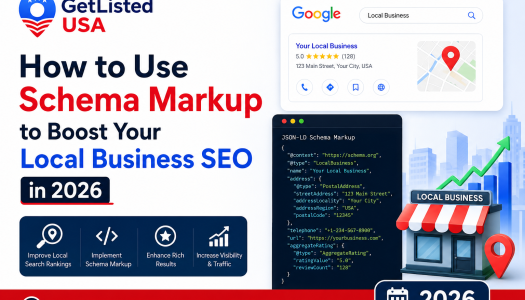
Structured data markup for local SEO
Case Example:
A boutique bakery in Austin followed a structured checklist and saw a 50% increase in website traffic from local searches within two months.
How Customers Find Local Businesses Online
Most customers discover local businesses through search engines, social media, review platforms, and online directories. Optimizing visibility across these channels ensures your business is found at the right moment.
Customer Behavior Insights
-
Search engines: 78% of mobile local searches result in offline purchases within 24 hours.
-
Online directories: Provide structured discovery and reinforce NAP consistency.
-
Social media: Platforms like Facebook and Instagram influence discovery, especially for retail and service businesses.
-
Reviews: Positive ratings drive trust and decision-making.
Understanding these behaviors helps marketing professionals prioritize optimization efforts for channels that yield the highest ROI.
Best Tools for Local SEO
Local SEO tools help businesses track rankings, analyze competition, monitor reviews, and manage citations efficiently. Using the right tools simplifies optimization and improves performance measurement.
Recommended Tools
-
BrightLocal: Citation building, tracking, and review monitoring.
-
Moz Local: Automated NAP management and reporting.
-
SEMRush: Competitor analysis and local keyword tracking.
-
Google Analytics & Search Console: Track traffic and performance.
-
GetListedUSA: Directory listing and citation building.
These tools assist marketing professionals in maintaining consistent local SEO efforts across multiple clients or business locations.
How to Optimize Business Listings
Optimizing business listings involves accurate information, category selection, descriptive content, images, reviews, and keyword-rich descriptions. This improves visibility in search engines and directory searches.
Optimization Tips
-
Use primary and secondary keywords naturally in descriptions.
-
Add service offerings and categories that reflect search intent.
-
Include high-quality images to increase engagement.
-
Encourage customer reviews and respond professionally.
-
Update listings regularly to reflect changes in services, hours, or contact info.
Example:
A fitness studio in Denver optimized their listings by adding class schedules, high-resolution images, and targeted keywords. They experienced a 30% increase in inquiries from local search within a month.
Call to Action
Mastering local SEO for small businesses is essential for growth. From accurate citations to optimized business listings, every step contributes to higher visibility and increased customer engagement.
Start improving your local presence today by submitting your business listing on GetListedUSA and gain exposure in top directory searches across the USA.
FAQs
1. What is local SEO for small businesses?
Answer: Local SEO for small businesses is the process of optimizing a company’s online presence so it appears in location-based searches. This includes improving Google Business Profiles, building local citations, managing reviews, and ensuring accurate business information across directories. It helps businesses attract nearby customers and improve search visibility.
2. How do I optimize my Google Business Profile for local SEO?
Answer: To optimize your Google Business Profile, claim and verify your listing, provide accurate NAP details, add high-quality images, select relevant business categories, include a keyword-rich description, and actively manage customer reviews. Optimized profiles increase your chances of appearing in Google Maps and local search results.
3. What are local citations, and why are they important?
Answer: Local citations are mentions of your business name, address, and phone number (NAP) on websites and directories. Search engines use citations to validate business legitimacy and location. Consistent citations across trusted platforms improve your local search rankings and help customers find your business.
4. How can I get more Google reviews for my business?
Answer: Encourage customers to leave reviews by sending follow-up emails, sharing review links through QR codes, or requesting reviews in-person. Responding to all reviews, positive or negative, shows engagement and builds trust. Genuine reviews also improve rankings in local search results.
5. Which tools can help with local SEO?
Answer: Popular local SEO tools include BrightLocal for citation building and review tracking, Moz Local for NAP management, SEMrush for keyword research and competitive analysis, and Google Analytics & Search Console for monitoring website performance. Tools like GetListedUSA help businesses create structured listings quickly.
6. How do customers find local businesses online?
Answer: Customers find local businesses through search engines, Google Maps, online directories, social media, and review platforms. Optimizing listings, maintaining accurate information, and actively managing reviews ensures your business appears when customers search for your services nearby.
7. What is a local SEO checklist for small businesses?
Answer: A local SEO checklist includes optimizing your Google Business Profile, maintaining consistent NAP across directories, building local citations, collecting and managing reviews, performing local keyword research, optimizing your website for mobile, and using structured data markup to improve search engine understanding.
8. How often should I update my business listings?
Answer: Business listings should be updated whenever there are changes in your business, such as address, phone number, services, hours, or website. Regular updates ensure consistency, prevent inaccurate information, and maintain trust with both customers and search engines.
9. Can small businesses rank in Google Maps without a website?
Answer: Yes, small businesses can rank in Google Maps with a fully optimized Google Business Profile and consistent citations, even without a website. However, having a website improves credibility, allows detailed content, and provides additional signals for search engines.
10. How does local SEO help small business growth?
Answer: Local SEO increases a business’s online visibility to nearby customers, drives more traffic to both websites and physical locations, strengthens brand authority, and improves customer trust. For marketing professionals, effective local SEO campaigns result in measurable growth and higher conversion rates.